Are you considering a move from the hustle and bustle of American city life to a more relaxed lifestyle? Costa Rica, a Central American gem, has become a sought-after destination for Americans. This guide delves into the intricacies of living in Costa Rica as an American, from understanding the language and culture to the practicalities of daily living in costa rica for life.
If you’re an American considering a move to Costa Rica, you’re not alone. Thousands of Americans have made the move to this Central American paradise in search of a simpler, more relaxed way of life. But before you make the move, it’s important to do your research and understand what life in Costa Rica is really like. That’s where Living the Pura Vida comes in – a comprehensive guide to American expat life in Costa Rica.

As a seasoned expat who has lived in Costa Rica for over a decade, I can tell you firsthand that there’s a lot to love about this country. From the beautiful beaches to the lush rainforests, there’s no shortage of natural beauty here. But beyond the stunning scenery, Costa Rica offers a unique and laid-back way of life that’s hard to find anywhere else.
One of the things that sets Costa Rica apart from other expat destinations is the concept of “Pura Vida.” This phrase, which literally translates to “pure life,” is used by Costa Ricans to describe their way of life. It’s a philosophy that’s all about enjoying the simple things in life, like spending time with family and friends, enjoying good food, and taking in the natural beauty that surrounds us.
Living the Pura Vida covers everything you need to know about expat life in Costa Rica, from finding the right neighborhood to navigating the healthcare system. But perhaps the most important thing to understand is that life here is very different from life in the United States. For example, things move at a much slower pace, and it’s not uncommon for appointments to start late or for plans to change at the last minute. But once you adjust to this way of life, you’ll find that it’s incredibly rewarding.
One of my favorite things about living in Costa Rica is the sense of community. Whether you’re living in a small town or a big city, you’ll find that people here are incredibly welcoming and friendly. And because there are so many expats living here, it’s easy to find a community of like-minded people who share your interests and hobbies.
Of course, there are also challenges to living in Costa Rica. For example, the language barrier can be a real hurdle for some people, especially if you don’t speak Spanish. But with a little effort and practice, you’ll find that most Costa Ricans are more than happy to help you learn the language.
It’s packed with practical information and insider tips that will help you make the most of your expat experience. And if you’re anything like me, you’ll fall in love with this beautiful country and never want to leave.

Costa Rica Expat Life: A Comprehensive Guide for Americans Considering Living Abroad
Living abroad, especially in a country like Costa Rica, can be both thrilling and challenging. This guide provides insights into various aspects of expat life, from language learning to healthcare and cultural adaptation. It emphasizes the importance of community and offers practical advice on navigating the healthcare system.
- Language and Culture: One of the first challenges expats face is the language barrier. While many Costa Ricans speak English, especially in tourist areas, it’s beneficial to learn Spanish. Engaging in local language classes or online courses can be a great start. Additionally, understanding and respecting local customs and traditions will make the transition smoother.
- Healthcare: Costa Rica is known for its high-quality healthcare system. Expats have access to both public and private healthcare. While the public system is affordable, the private sector offers faster services, albeit at a higher cost. It’s advisable to have health insurance to cover unexpected medical expenses.
- Finding Community: Building a community is crucial for a fulfilling expat experience. Joining local clubs, attending events, or participating in community service can help in forging connections. The expat community in Costa Rica is vibrant, and there are numerous groups and forums where newcomers can seek advice and share experiences.
Living the Pura Vida: A Comprehensive Guide to American Expat Life in Costa Rica
Costa Rica offers a unique and laid-back lifestyle, encapsulated by the philosophy of “Pura Vida.” This guide covers everything from understanding natural beauty of the local neighborhoods to the nuances of the healthcare system. It also highlights the importance of community and the challenges of language barriers.
Understanding Pura Vida
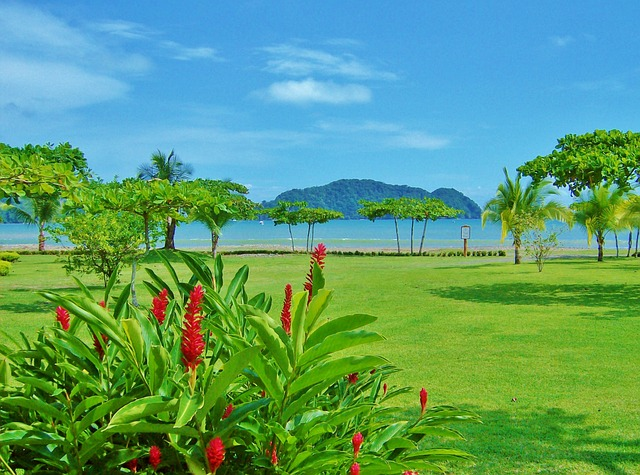
Central to Costa Rican culture is the concept of “Pura Vida.” It’s more than just a phrase; it’s a way of life. Embracing this philosophy means appreciating the simple joys of life, whether it’s a beautiful sunset, beautiful beaches, a delicious meal, or a chat with a neighbor.
Neighborhoods and Housing
Choosing the right place to live is crucial. Whether you prefer the bustling city life of San Jose, the serene beaches of Guanacaste, or the lush rainforests and beach town of Manuel Antonio, Costa Rica has something for everyone. Housing costs vary based on location, with urban areas being more expensive than the countryside.
Housing Market in Costa Rica
Costa Rica’s housing market has seen steady growth over the years, attracting both locals and expats. Whether you’re looking for a beachfront villa, a city apartment, or a countryside home, the market offers diverse options. Property values vary based on location, with popular tourist–heavy areas like Guanacaste and Manuel Antonio fetching higher prices. However, areas like the Central Valley offer affordable housing with all modern amenities.
Buying a House
Purchasing property in Costa Rica is open to foreigners, and the process is relatively transparent. While you don’t need to be a resident to buy property, having a local bank account can simplify transactions. It’s essential to conduct thorough research, engage a reputable real estate agent, and consult with a local attorney to ensure a smooth purchase process.
Food and Dining
Costa Rican cuisine is a blend of flavors, with influences from Spanish, African, and Indigenous cultures. Staples include rice, beans, and fresh fruits and vegetables. Dining out is an experience, with local “sodas” offering traditional dishes at affordable prices. For those who enjoy cooking, farmers’ markets are a treasure trove of fresh produce.
Open a Business in Costa Rica
Starting a business in Costa Rica is a straightforward process. Foreigners can own and operate businesses, but it’s crucial to understand the local regulations. Sectors like tourism, real estate, and agriculture are popular among expats. It’s advisable to consult with a local attorney to navigate the legalities and ensure all permits are in place.
Working Remotely from Costa Rica
With the rise of digital nomadism, Costa Rica has become a hotspot for remote workers. The country’s reliable internet infrastructure, coupled with its serene landscapes, makes it an ideal place to work from. Cities like San Jose and Tamarindo offer co-working spaces, while many resorts and cafes are remote-work friendly. However, it’s essential to ensure you have the right visa to work remotely.
Pura Vida Expenses: Cost of Living in Costa Rica
Understanding the cost of living is essential for anyone considering a move to a new country. Costa Rica, with its diverse landscapes, tropical weather and rich culture, offers a range of living expenses based on one’s lifestyle and preferences.

Housing Costs
Housing is one of the significant expenses for expats. Prices vary based on location and property type. For instance keep in mind that, a modern apartment in San Jose might cost more than a quaint house in the countryside. On average keep in mind, renting a decent place can range from $500 to $1,500 per month. Those looking to buy property can find options starting from $150,000.
- San Jose: Renting a modern apartment can range from $800 to $1,500, depending on the area and amenities.
- Guanacaste: Beachfront properties are pricier, with rentals ranging from $1,000 to $2,500. However, properties a bit inland can be more affordable.
- Purchasing Property: For those looking to buy, a two-bedroom house in a decent neighborhood can start from $200,000.
Transportation
While many people in urban areas have reliable public transportation, having a car can be convenient for those living outside city centers or those who like to explore. Buses are affordable, usually costing around $1 for local routes. Taxis and ride-sharing services are also available. For those considering buying a car, it’s essential to factor in costs like insurance, maintenance, and fuel.
- Public Buses: Reliable and cover most regions, costing around $1-$3 based on distance.
- Taxis: Available in all major towns and cities, with fares starting at $2 and increasing based on distance.
- Car Ownership: A second-hand car can cost upwards of $10,000. Fuel prices are higher than in the U.S., averaging around $4 per gallon.
Food and Groceries
Eating local can be quite affordable in Costa Rica. Local markets and “sodas” (small eateries) offer delicious meals for $5-$10. However, imported goods can be pricier. On average, a couple might spend $50-$100 per week on groceries, depending on dietary preferences.
- Local Markets: Fresh produce, meats, and dairy can be purchased for $30-$50 per week for a couple.
- Dining Out: A meal at a local “soda” can cost $5-$7, while international restaurants might charge $15-$30 for a main course.
Healthcare
Costa Rica boasts a robust healthcare system. Residents have access to and stay in the country through public healthcare system, Caja, which is funded through income-based contributions. Additionally, private healthcare facilities offer top-notch services, often at a fraction of U.S. prices. However, it’s advisable for expats to have private health insurance, especially if they prefer private over public facilities.
Immigration Requirements in Costa Rica
Costa Rica offers various residency options for foreigners, from pensionado (retiree) to rentista (income-based) visas. Each visa type has specific requirements, such as proving a steady income or making an investment in the country. It’s essential to consult with an immigration attorney to understand the best option for your situation and ensure all paperwork is correctly filed.
Rentista (Resident Visa)
The Rentista visa is designed for individuals who can prove a steady income of at least $2,500 per month for two years or a $60,000 deposit per month in a Costa Rican bank. This visa is renewable every two years and allows the holder to live in Costa Rica but not work as an employee. After three years on this visa, one can apply for permanent residency.
Requirements for the Costa Rica Digital Nomad Visa
Costa Rica’s digital nomad visa, introduced recently, allows remote workers to live and work in the country for up to 90 day a year, with a possible extension. Applicants must prove a monthly income of at least $3,000 (or $4,000 for a family) and have health insurance covering their stay. This visa does not lead to residency but offers a temporary solution for digital workers.

Top Destinations for American Expats in Costa Rica: Where to Live and What to Expect
Costa Rica’s diverse regions cater to various preferences, whether one is looking to move there for beachfront living, beach towns, mountain retreats, or city life.
The Central Valley:
This region of central valley, encompassing the capital city of San Jose and surrounding areas like Heredia and Atenas, offers a mix of urban and rural living. The climate is temperate, and the proximity to amenities makes it a favorite among many expats.
- San Jose: The bustling capital city offers a mix of modern amenities and cultural landmarks. With theaters, museums, and a vibrant nightlife, it’s a hub of activity. However, like any major city, traffic can be a challenge.
- Heredia: Known as “The City of Flowers,” Heredia boasts colonial architecture and a more relaxed pace than San Jose. It’s home to one of the country’s main universities, making it a youthful and vibrant town.
- Atenas: Often touted as having the “best climate in the world,” Atenas offers a tranquil lifestyle amidst coffee plantations and rolling hills.
Guanacaste:
Known for its stunning Pacific coastline and tropical paradise, Guanacaste is a haven for beach lovers. Towns like Tamarindo offer a mix of local and expat communities, bustling nightlife, and world-class surfing spots.
- Tamarindo: A surfer’s paradise, Tamarindo is known for its beaches and vibrant expat community. It offers a mix of local and international cuisines, beachfront bars, and water sports.
- Liberia: The capital of Guanacaste, Liberia is close to national parks and has its international airport, making travel convenient.
Manuel Antonio:
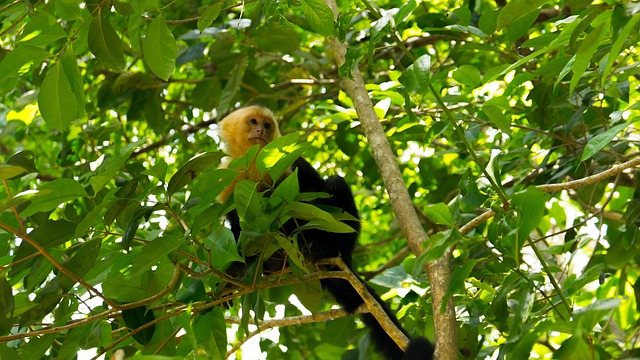
A blend of rainforests, wildlife, beach towns, and beaches defines Manuel Antonio. It’s a bit touristy, given its national park, but offers a relaxed lifestyle with plenty of amenities. Beyond its famed national park, beach town of Manuel Antonio offers luxury resorts, beachfront villas, and a mix of local and international dining options. The sunsets here are legendary, and the community is welcoming to expats and tourists alike.
Adjusting to Life:
Regardless of the region, adjusting to the “Tico” way of life is part of the expat journey. Embracing the local culture, learning Spanish, and understanding the “Pura Vida” philosophy are keys to a fulfilling life in Costa Rica.
Stories of Americans in Costa Rica
Sarah’s Recent Move
Sarah, a 28-year-old digital marketer from Boston, moved to Costa Rica just a year ago. She was drawn to the “Pura Vida” lifestyle after a vacation in Tamarindo. Sarah now works remotely for her U.S. employer and enjoys surfing in her free time. She rents a beachfront apartment and has embraced the local culture, often volunteering at community events. While she misses her family, the local expat community has become her second family.
Mike’s Decade in Costa Rica
Mike, a retired teacher from California, has been living in the Central Valley for over a decade. He initially moved for the affordable healthcare and mild climate. Over the years, he’s seen Costa Rica evolve, with more amenities and infrastructure. Mike owns a coffee plantation and often hosts tours for tourists and expats moving to costa. He’s fluent in Spanish and has a deep appreciation for the local customs and traditions.
Ready to Move to Costa Rica?
Making the decision to move internationally is significant. Costa Rica, with its warm climate, friendly locals, and “Pura Vida” lifestyle, offers a unique opportunity for expats. Whether you’re looking to retire, work remotely, or start a new venture, this Central American gem welcomes you with open arms.
FAQs
How do I handle banking and finances in Costa Rica?
Costa Rica has a stable banking system. Expats can open a local bank account, though some banks might require residency. It’s also advisable to keep an international account for any transactions back home.
Is it safe to live in Costa Rica?
Like any country, Costa Rica has areas that are safer than others. In general, it’s a peaceful nation, but it’s always wise to take standard safety precautions, especially allows you to stay in popular tourist destinations and-heavy areas.
Can I work in Costa Rica as an expat?
Yes, but it’s essential to have the right visa or work a permanent resident permit. Some expats also choose to work remotely for companies based outside of Costa Rica.
Is it good for Americans to live in Costa Rica?
Costa Rica offers an attractive retirement destination for expatriate workers. Like all the expats, the pros attract these people by their affordable cost of living, excellent health care and beautiful natural surroundings. Oh, there are residency permits available.
Why do so many Americans move to Costa Rica?
Almost half of U.S. retirees are Baby Boomers who flocked to Costa Rica to get out of work. The average American social security check is up 51% from 2000.